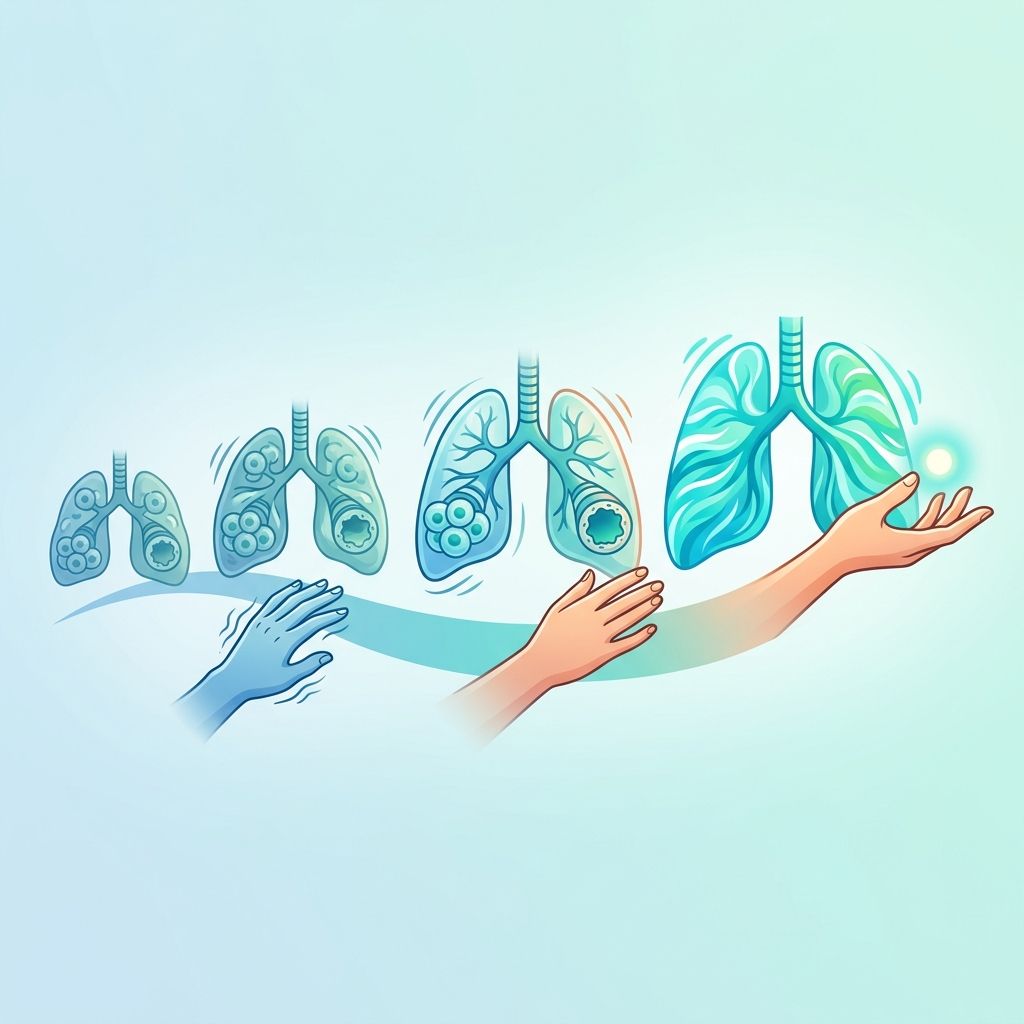
Here is one of the most hopeful facts in all of health science: your body starts repairing itself within hours of your last cigarette — and it never stops trying. Lungs are not passive victims of smoke; they are active, self-cleaning organs with a remarkable capacity to heal. This is the story of what begins the moment you quit.
The First Days: Your Body Gets to Work Immediately
Recovery does not wait for a milestone anniversary. Within roughly a day of quitting, carbon monoxide — the gas in smoke that hitches a ride on red blood cells and crowds out oxygen — falls back toward normal levels. More oxygen reaches your muscles, your heart, and your brain.
Heart rate and blood pressure, which nicotine nudges upward with every cigarette, begin settling as well. None of this requires effort on your part. Stop delivering smoke, and the repair crews clock in.
In the first week or two you may notice the flip side of healing: coughing a bit more, not less. That is frequently a good sign — your airways are beginning to move out mucus and debris they could not clear efficiently before.
Weeks 2 to 12: Circulation and Lung Function Improve
Over the following weeks, well-established recovery timelines from public health authorities describe two big shifts:
Circulation improves. Blood vessels function better and oxygen delivery becomes more efficient. Many people notice this in daily life first — climbing stairs with less huffing, keeping up on walks, feeling less winded during activity.
Lung function begins to increase. Airways become less inflamed and less constricted, so air moves in and out more freely. The change is gradual rather than overnight, but it is measurable and it is real.
This is also when exercise starts feeling different. You do not have to become a runner — even brisk walking both benefits from and reinforces your recovering cardiovascular system, and physical activity is a proven craving-reducer as a bonus.
The Cilia Comeback: Your Lungs' Self-Cleaning System Reboots
If lungs have a signature repair story, it is the cilia. These microscopic, hair-like structures line your airways and sweep mucus, dust, and germs up and out — a continuous self-cleaning conveyor belt. Smoke paralyzes and damages cilia, which is a key reason smokers experience more coughing, congestion, and respiratory infections.
After quitting, cilia begin to recover and regrow over a period of weeks to months. As they come back online:
- Mucus gets cleared more effectively (that temporary "quitter's cough" is often this system rebooting)
- The lungs become better at defending against dust and infection
- Congestion and shortness of breath tend to ease
- Many people notice colds no longer settle in the chest the way they used to
There is something quietly motivating about this image: millions of tiny sweepers, back on the job, cleaning house a little more each week.
Months to Years: The Long Arc of Recovery
The gains keep compounding well past the early months. Established recovery timelines note that around the one-year mark, the excess risk of coronary heart disease drops to roughly half that of someone who still smokes. Over the following years, risks of stroke, several cancers, and other smoking-related conditions continue to decline relative to continuing smokers.
Two honest notes belong here. First, timelines are approximate and vary with how long and how much a person smoked, plus individual health factors. Second, some long-term damage — such as emphysema-related changes — may not fully reverse. But even then, quitting slows further decline dramatically, which is exactly why clinicians say the best time to quit is always now. Recovery is not all-or-nothing; every smoke-free week banks real gains.
Helping the Healing Along
You cannot rush biology, but you can support it: stay smoke-free (each cigarette interrupts the repair work), keep moving, drink water to help thin mucus, and avoid secondhand smoke where you can. And because staying quit is what unlocks all of this, lean on the tools with the strongest evidence — behavioral coaching combined with cessation medications like NRT, varenicline, or bupropion, chosen with your clinician.
Key Takeaways
- Recovery begins within about a day: carbon monoxide falls and oxygen delivery improves.
- Over the first weeks to three months, circulation and lung function measurably improve.
- Cilia — the lungs' self-cleaning system — regrow over weeks to months, improving mucus clearance and infection defense.
- Around one year smoke-free, excess heart disease risk drops to roughly half that of a continuing smoker.
- Timelines vary by person, but meaningful healing starts at any age and any smoking history.
FAQ
Why am I coughing more after quitting?
A temporary increase in coughing is common and usually reflects recovery: your cilia are waking up and clearing mucus the smoke previously trapped. It generally eases within a few weeks. If a cough is severe, persistent, or comes with concerning symptoms, check in with your clinician.
Can my lungs fully return to normal?
It depends on how long and how heavily you smoked. Airway inflammation, cilia function, and infection resistance improve substantially for nearly everyone. Some structural damage from long-term smoking may not fully reverse — but quitting sharply slows further harm, and overall risk keeps declining for years.
Is it too late to quit if I've smoked for decades?
No. Recovery processes begin at any age, and studies of long-term smokers consistently show meaningful health gains after quitting — better breathing, lower cardiovascular risk over time, and slower decline in lung function. The benefits start with the very first smoke-free day.
Give Your Lungs Their Comeback Season
Your lungs are ready to start healing the moment you stop — the only thing they need from you is smoke-free days, stacked one after another. FreeAir Coach helps you stack them: structured, judgment-free quit coaching with a personalized plan, craving tools, and support through every milestone. Start with FreeAir Coach today.
Prefer to talk to a human coach? Free telephone counseling: 1-800-QUIT-NOW (1-800-784-8669)
Ready to breathe free?
FreeAir Coach is a physician-designed AI quit coach for smoking and vaping — personalized planning, craving tools, and steady support around the clock.
Start 30-Day Free Trial — no credit cardJudgment-free. Cancel anytime.