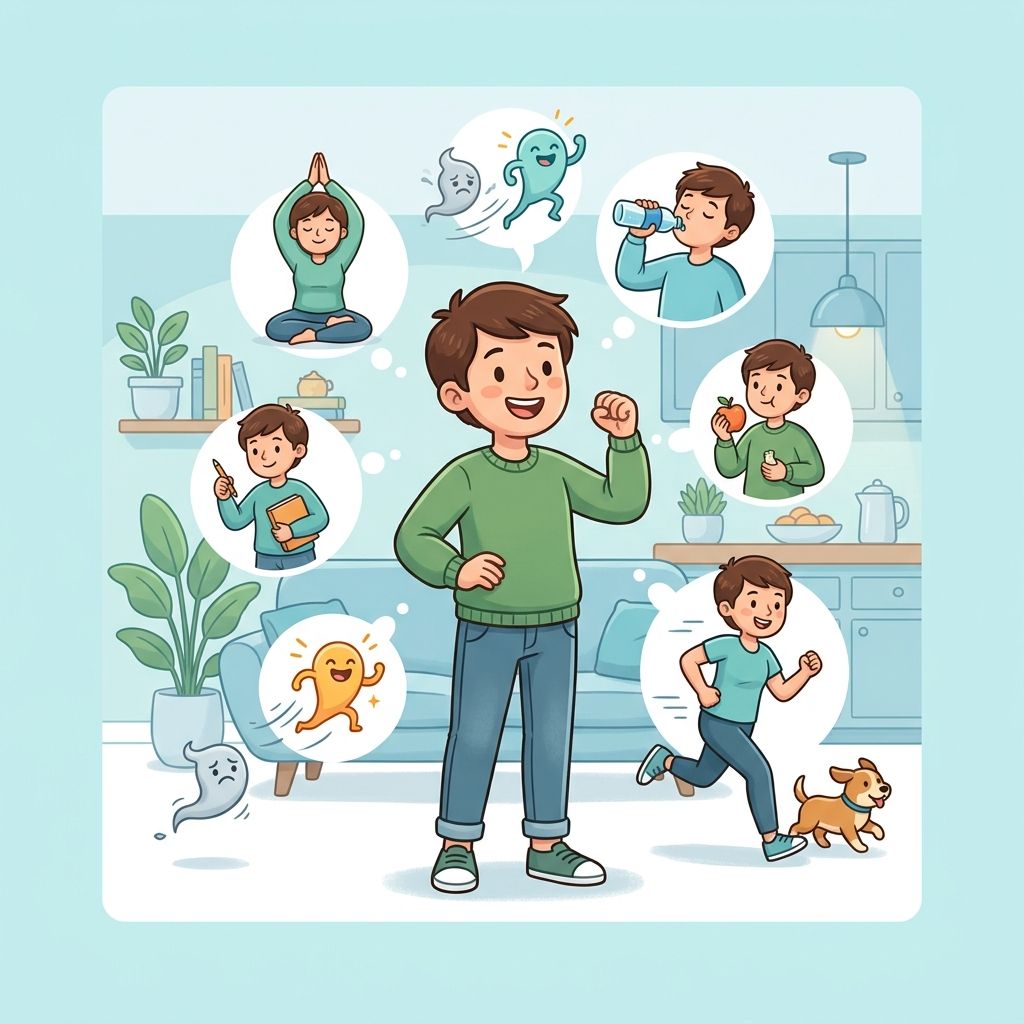
The first week without nicotine has a reputation — and honestly, it earns some of it. But here is what the reputation leaves out: withdrawal is temporary, predictable, and far more manageable with a map in hand. This is that map.
Why Withdrawal Happens (and Why It's Actually Good News)
When you use nicotine regularly, your brain adapts by building extra nicotine receptors and treating the drug as part of its baseline. Remove the nicotine, and those adaptations complain loudly for a while — that is withdrawal.
Reframe it this way: withdrawal symptoms are the sound of your brain recalibrating back to its natural settings. Every uncomfortable hour is evidence that the reset is underway. The discomfort is not damage; it is repair.
A Day-by-Day Look at Week One
Everyone's experience differs — smoking history, biology, stress, and whether you are using cessation medication all play a role — but a common arc looks like this:
Days 1–2: The adjustment begins
Nicotine leaves the body quickly, and early symptoms follow: cravings in waves, irritability, restlessness, and trouble focusing. Some people feel foggy or notice a temporary uptick in appetite. Keep the first days simple and structured — this is not the week to schedule your most stressful obligations if you can help it.
Days 2–4: The peak
For many people, withdrawal symptoms crest around days 2–3 and can remain strong through day 5. Cravings may feel more frequent, moods more jagged, sleep a little rockier. This is the stretch where a plan matters most — and where it helps enormously to know, in advance, that peak means the downhill side is next.
Days 6–7: The turn
Most people notice the intensity easing. Cravings are still present but often shorter and less commanding. Concentration starts returning. You may catch your first stretch of hours where you simply did not think about smoking — a small moment worth celebrating loudly.
What's Normal — and What Helps
Common, temporary symptoms include irritability, anxiety or restlessness, difficulty concentrating, increased appetite, insomnia, low mood, and a temporary cough as your airways start clearing. For each, there is a practical response:
- Irritability and restlessness: Move your body — even ten minutes of brisk walking reliably takes the edge off. Warn your household, kindly: "If I'm short-tempered this week, it's the quit, not you."
- Cravings: Use the wave mindset — most pass within minutes. Delay, breathe deeply, drink water, change activity.
- Focus problems: Break work into short sprints, use lists, and forgive the fog. It lifts.
- Appetite: Keep crunchy, low-effort snacks handy — carrots, apples, sugar-free gum. Hydrate before you snack.
- Sleep trouble: Ease caffeine (it hits harder after quitting), keep a wind-down routine, and know the disruption is temporary.
Medication makes the week gentler
This bears emphasis: you do not have to white-knuckle week one. NRT (patch, gum, lozenge), varenicline, and bupropion each reduce withdrawal severity and craving intensity, and major cessation guidelines recommend combining medication with behavioral support for the best quit rates. If week one worries you, that is precisely the conversation to have with your clinician before quit day.
Your Week One Survival Kit
Set yourself up before the week begins:
- Water bottle everywhere you go
- Crunchy snacks and sugar-free gum
- A short list of two-minute distractions (stretch, step outside, text a friend)
- Your written reason for quitting, visible
- A support person on standby — and your coach
- Cessation medication, if you and your clinician chose one, ready before day one
And if you slip? Take a breath. A slip is information — what was the trigger, what was missing from the plan? Adjust and continue. Most successful quitters did not have a flawless first week; they had a persistent one.
Key Takeaways
- Withdrawal is your brain recalibrating — uncomfortable, temporary, and a sign of recovery.
- Symptoms typically peak within the first several days and ease noticeably by the end of week one.
- Individual cravings pass in minutes; the 4 Ds (delay, deep breathe, drink water, do something else) bridge them.
- Cessation medications meaningfully soften withdrawal — discuss options with your clinician before quit day.
- A slip is data for the plan, not a verdict on you.
FAQ
How long does nicotine withdrawal last?
Acute withdrawal typically peaks within the first week and improves substantially over two to four weeks. Occasional cue-triggered cravings can appear later, but they arrive less often and leave faster. The hardest terrain is genuinely front-loaded — which means every day completed is the hardest day you will ever have to repeat.
Is nicotine withdrawal dangerous?
Nicotine withdrawal is not medically dangerous for most people, though it is uncomfortable. Mood changes, irritability, and sleep disruption are expected and temporary. If you experience severe depression, or symptoms that feel unmanageable or unusual for you, contact your clinician promptly.
Will I gain weight during withdrawal?
Most people gain some weight after quitting — on average about 8–10 pounds over the first year, with wide individual variation — and the health benefits of quitting far outweigh it. Planning ahead helps: keep satisfying low-calorie snacks around, hydrate, and use movement as your go-to craving response. Many coaches suggest tackling one change at a time — protect the quit first; fine-tune nutrition once the week-one storm passes.
You Don't Have to Do Week One Alone
The first week is easier with someone in your corner who has mapped this terrain hundreds of times. FreeAir Coach offers structured, judgment-free quit coaching — day-by-day guidance, craving tools that work in the moment, and encouragement exactly when the week gets steep. Start with FreeAir Coach and walk into week one with a plan.
Prefer to talk to a human coach? Free telephone counseling: 1-800-QUIT-NOW (1-800-784-8669)
Ready to breathe free?
FreeAir Coach is a physician-designed AI quit coach for smoking and vaping — personalized planning, craving tools, and steady support around the clock.
Start 30-Day Free Trial — no credit cardJudgment-free. Cancel anytime.